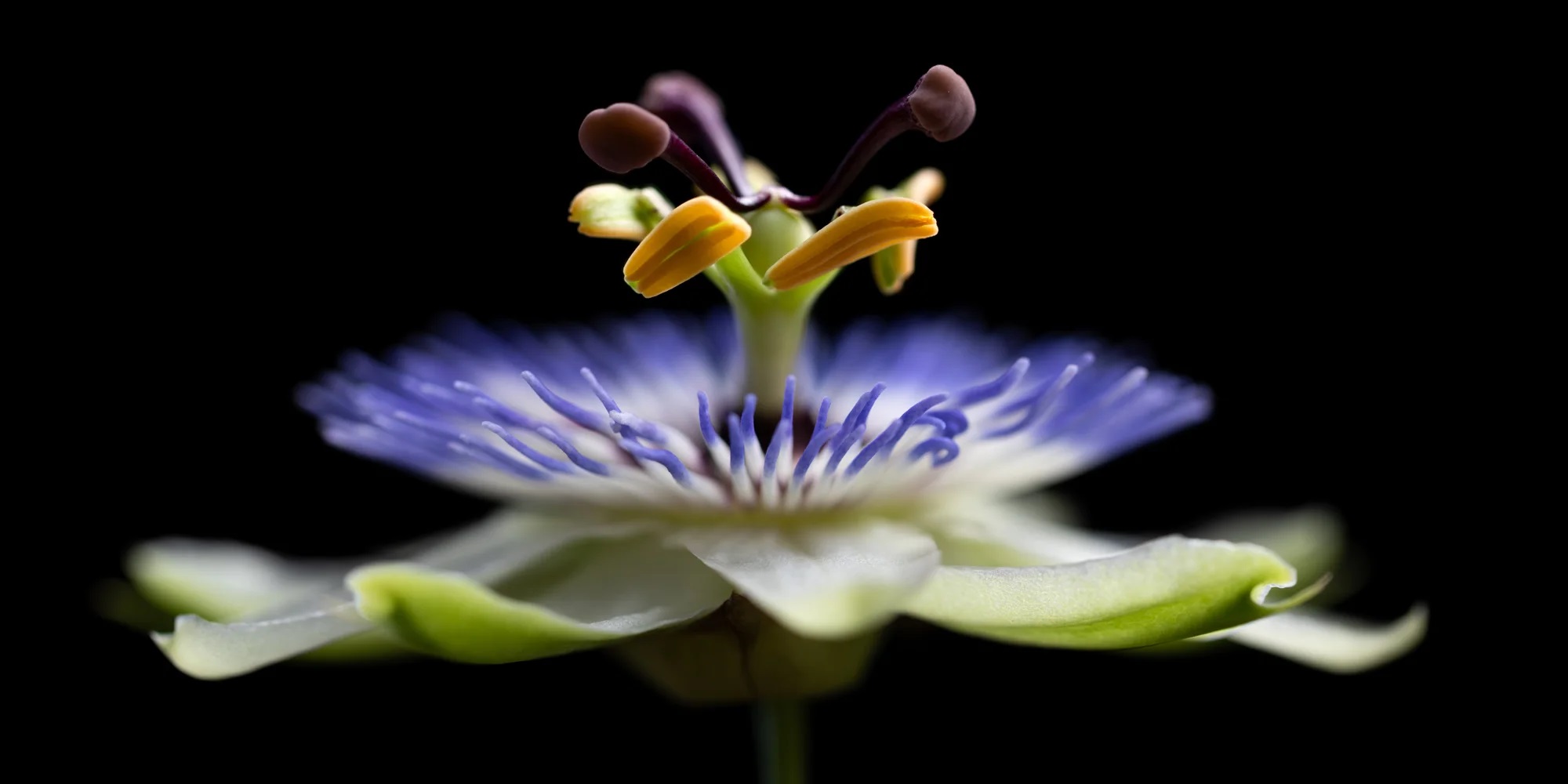
Whispers in a Crowded Room by Buck Christensen
Lauritzen Gardens 100 Bancroft Street, OmahaApril 12 through May 27, 9 a.m. to 5 p.m.open until 8 p.m. on May 6, 13, 14, 20, 21, and 27 On the gallery walls in the visitor and […]
$15
— dedicated to promoting the growth and appreciation of the arts in the Omaha community.
April 12 through May 27, 9 a.m. to 5 p.m.open until 8 p.m. on May 6, 13, 14, 20, 21, and 27 On the gallery walls in the visitor and […]
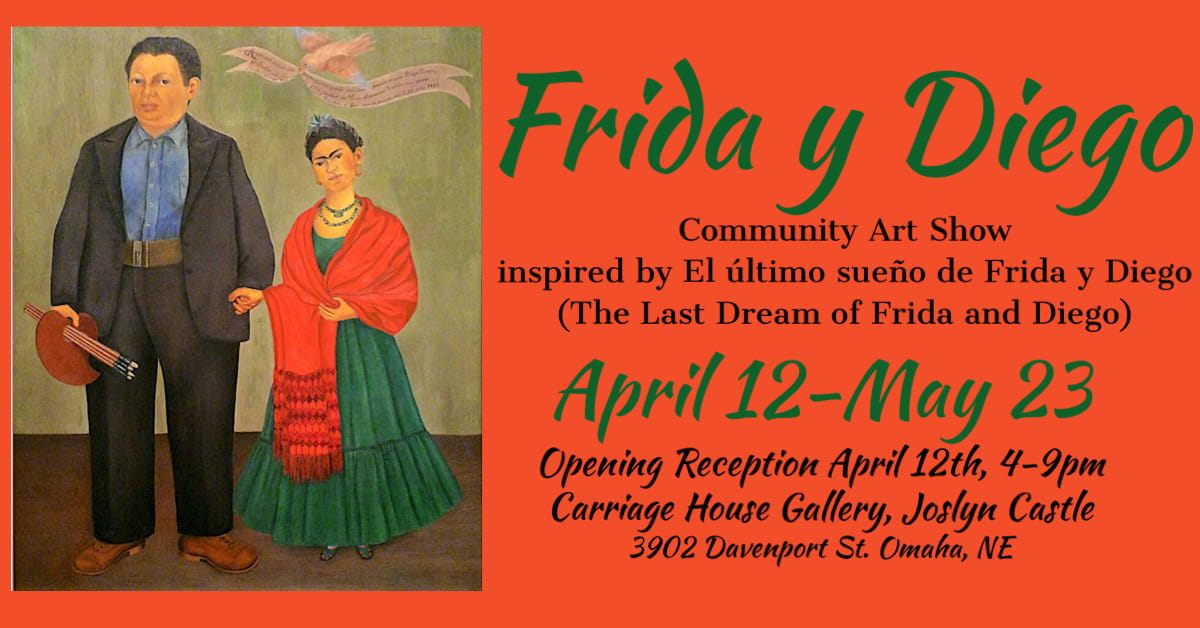
Fascinating collaboration of opera and local artists culminating in an exhibition at the Joslyn Castle Carriage House Gallery.
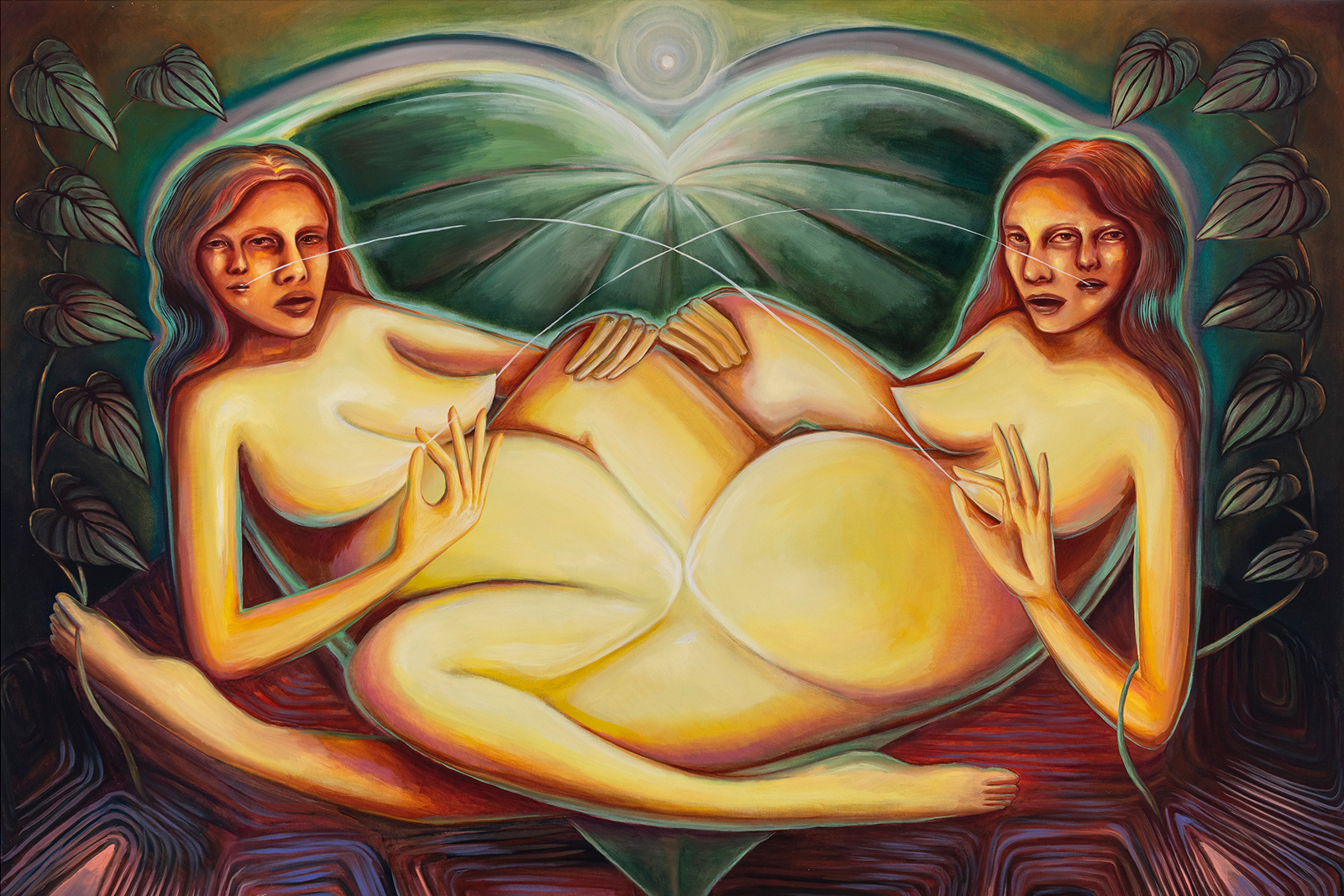
Two volcanoes grow together, two rivers lay side by side is an investigation into the queering of Mexican and Irish folklore and rituals,
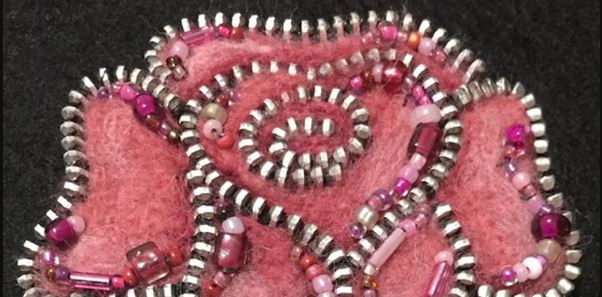
Join Rhonda Berman of Zipply Art to create an art piece adding a new twist to needle felting.
Join Rhonda Berman of Zipply Art to create an art piece adding a new twist to needle felting.
Fascinating collaboration of opera and local artists culminating in an exhibition at the Joslyn Castle Carriage House Gallery.
Join Rhonda Berman of Zipply Art to create an art piece adding a new twist to needle felting.
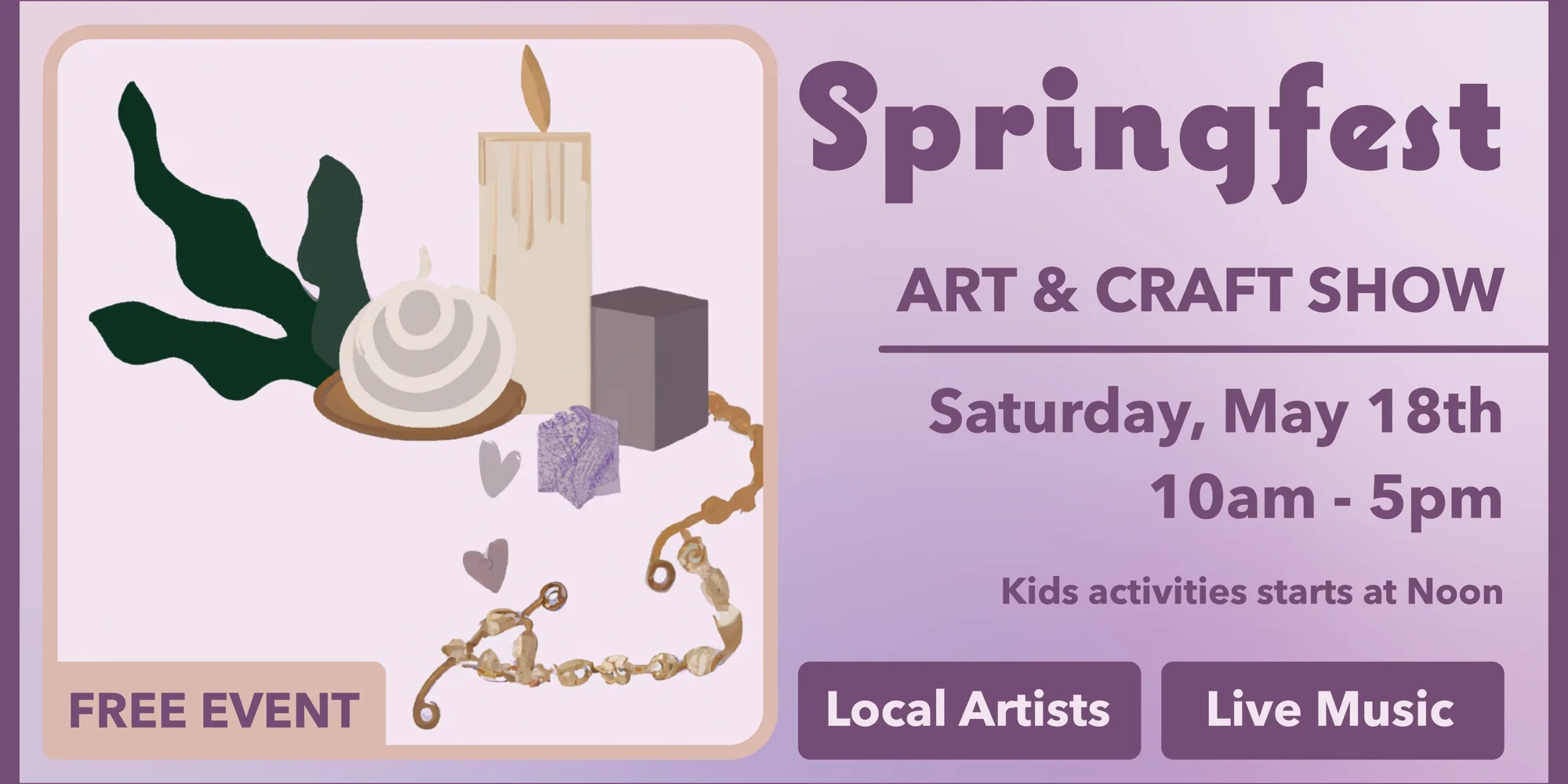
Join us at Springfest and shop over 60 local artists and crafters. Shop handmade goods including jewelry, pottery, glass, wood, photography, paintings and more.
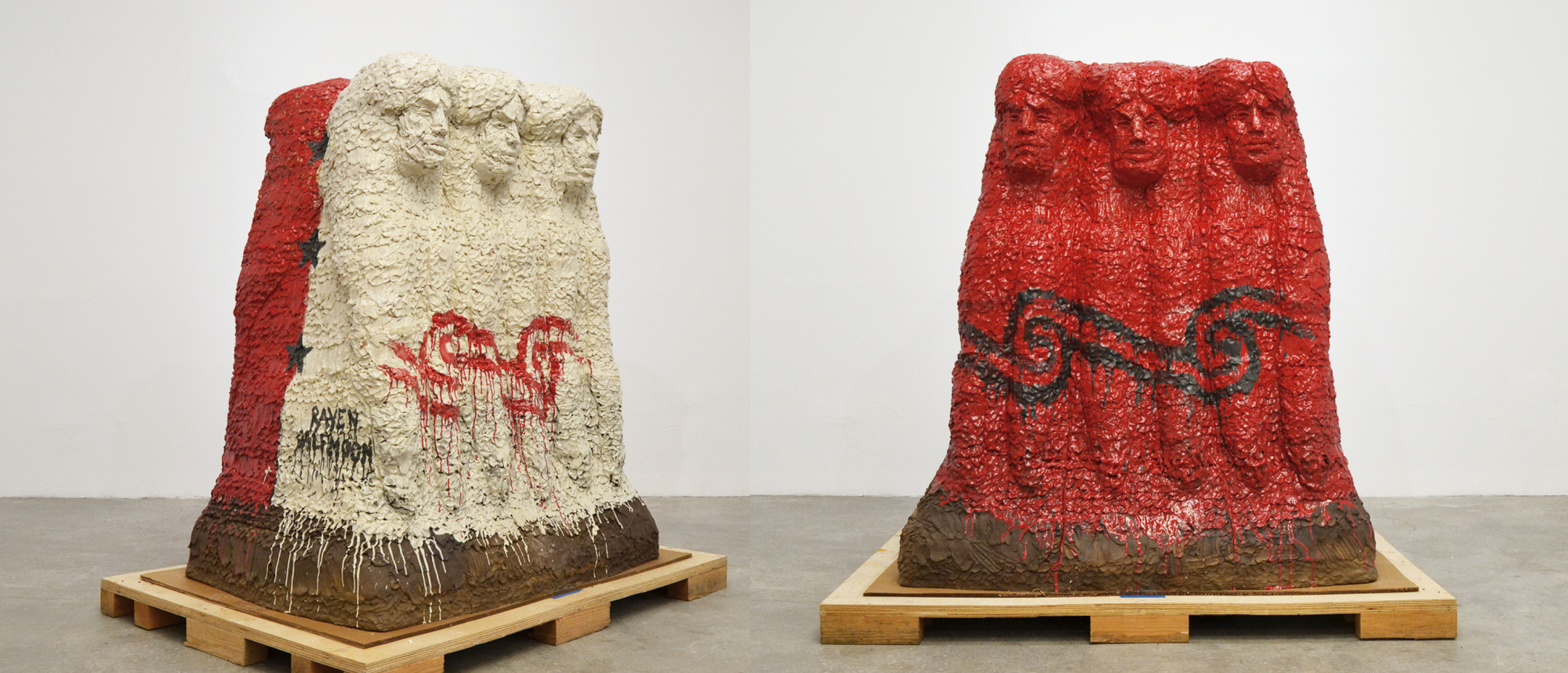
With inspirations that orbit centuries from ancient Indigenous pottery to Moai statues to Land Art, Halfmoon interrogates the intersection of tradition, history, gender, and personal experience.
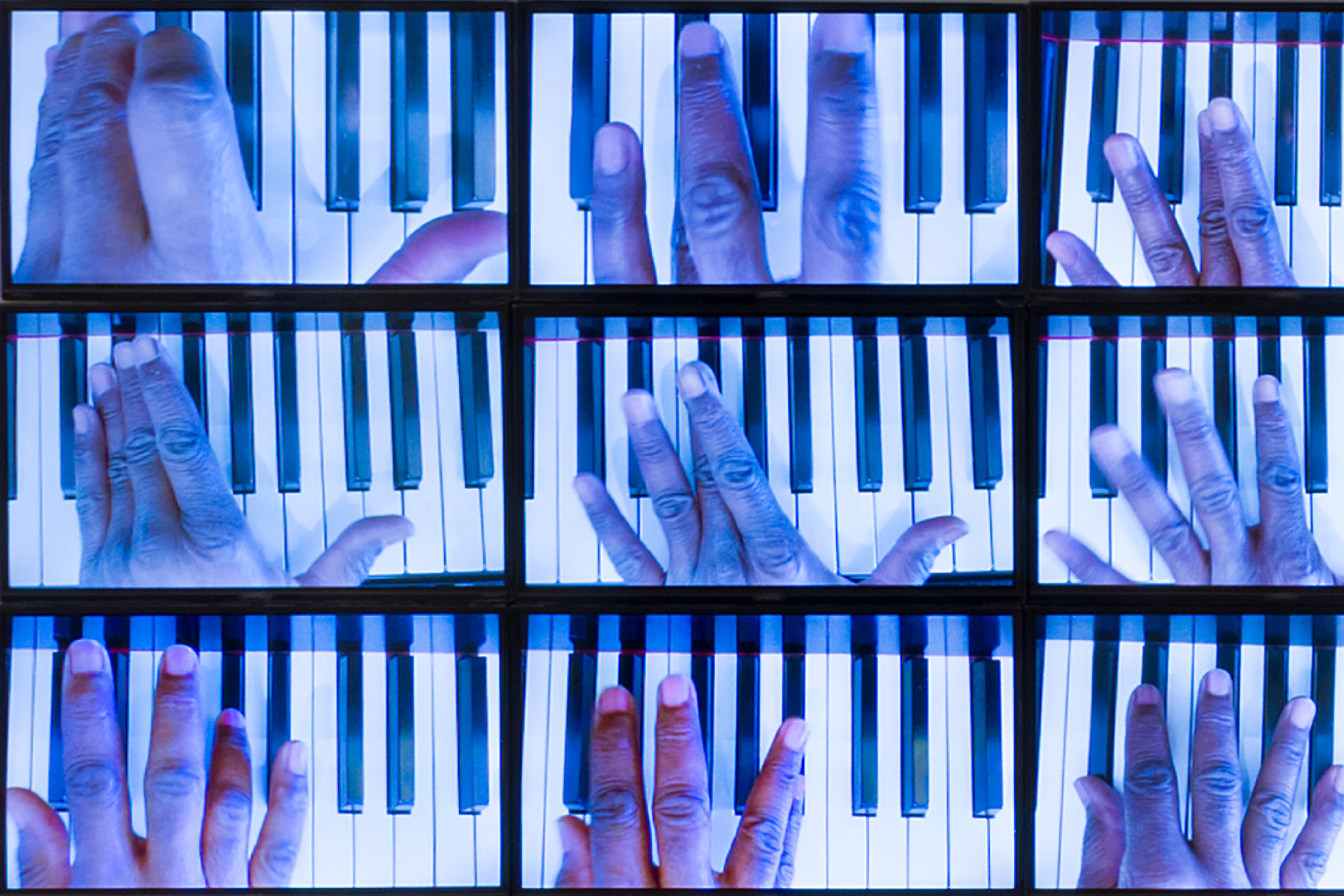
From wordplay with the actual letters that comprise “BLACK,” to utilizing the expanse of shades of black house paint—including as Nightfall, Soot, Ebony Field, and Black Beauty—to posing the question, “If the color black had a sound, what would it be?,” Benjamin calls attention to the color’s deep historical and social resonance.
Join Rhonda Berman of Zipply Art to create an art piece adding a new twist to needle felting.
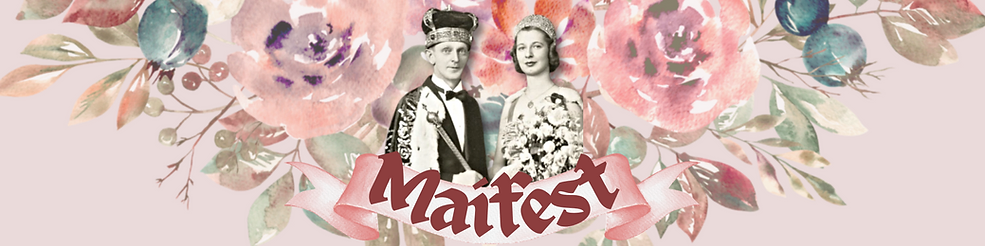
Step into the rich tapestry of German tradition at our spectacular event, where the chance to become Maifest royalty awaits those who don their finest German tracht attire (participants must be 21 or older to qualify).
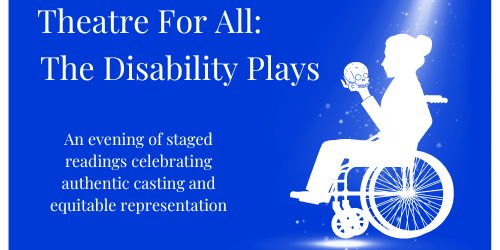
In collaboration with Queens Theatre of New York and Omaha's Circle Theatre, Benson Theatre presents a weekend of immaculately staged readings of plays featuring characters with disabilities and/or written by […]
With inspirations that orbit centuries from ancient Indigenous pottery to Moai statues to Land Art, Halfmoon interrogates the intersection of tradition, history, gender, and personal experience.
From wordplay with the actual letters that comprise “BLACK,” to utilizing the expanse of shades of black house paint—including as Nightfall, Soot, Ebony Field, and Black Beauty—to posing the question, “If the color black had a sound, what would it be?,” Benjamin calls attention to the color’s deep historical and social resonance.
In collaboration with Queens Theatre of New York and Omaha's Circle Theatre, Benson Theatre presents a weekend of immaculately staged readings of plays featuring characters with disabilities and/or written by […]
With inspirations that orbit centuries from ancient Indigenous pottery to Moai statues to Land Art, Halfmoon interrogates the intersection of tradition, history, gender, and personal experience.
From wordplay with the actual letters that comprise “BLACK,” to utilizing the expanse of shades of black house paint—including as Nightfall, Soot, Ebony Field, and Black Beauty—to posing the question, “If the color black had a sound, what would it be?,” Benjamin calls attention to the color’s deep historical and social resonance.
With inspirations that orbit centuries from ancient Indigenous pottery to Moai statues to Land Art, Halfmoon interrogates the intersection of tradition, history, gender, and personal experience.
From wordplay with the actual letters that comprise “BLACK,” to utilizing the expanse of shades of black house paint—including as Nightfall, Soot, Ebony Field, and Black Beauty—to posing the question, “If the color black had a sound, what would it be?,” Benjamin calls attention to the color’s deep historical and social resonance.
With inspirations that orbit centuries from ancient Indigenous pottery to Moai statues to Land Art, Halfmoon interrogates the intersection of tradition, history, gender, and personal experience.
From wordplay with the actual letters that comprise “BLACK,” to utilizing the expanse of shades of black house paint—including as Nightfall, Soot, Ebony Field, and Black Beauty—to posing the question, “If the color black had a sound, what would it be?,” Benjamin calls attention to the color’s deep historical and social resonance.
With inspirations that orbit centuries from ancient Indigenous pottery to Moai statues to Land Art, Halfmoon interrogates the intersection of tradition, history, gender, and personal experience.
From wordplay with the actual letters that comprise “BLACK,” to utilizing the expanse of shades of black house paint—including as Nightfall, Soot, Ebony Field, and Black Beauty—to posing the question, “If the color black had a sound, what would it be?,” Benjamin calls attention to the color’s deep historical and social resonance.
With inspirations that orbit centuries from ancient Indigenous pottery to Moai statues to Land Art, Halfmoon interrogates the intersection of tradition, history, gender, and personal experience.
From wordplay with the actual letters that comprise “BLACK,” to utilizing the expanse of shades of black house paint—including as Nightfall, Soot, Ebony Field, and Black Beauty—to posing the question, “If the color black had a sound, what would it be?,” Benjamin calls attention to the color’s deep historical and social resonance.
With inspirations that orbit centuries from ancient Indigenous pottery to Moai statues to Land Art, Halfmoon interrogates the intersection of tradition, history, gender, and personal experience.
From wordplay with the actual letters that comprise “BLACK,” to utilizing the expanse of shades of black house paint—including as Nightfall, Soot, Ebony Field, and Black Beauty—to posing the question, “If the color black had a sound, what would it be?,” Benjamin calls attention to the color’s deep historical and social resonance.
With inspirations that orbit centuries from ancient Indigenous pottery to Moai statues to Land Art, Halfmoon interrogates the intersection of tradition, history, gender, and personal experience.
From wordplay with the actual letters that comprise “BLACK,” to utilizing the expanse of shades of black house paint—including as Nightfall, Soot, Ebony Field, and Black Beauty—to posing the question, “If the color black had a sound, what would it be?,” Benjamin calls attention to the color’s deep historical and social resonance.
With inspirations that orbit centuries from ancient Indigenous pottery to Moai statues to Land Art, Halfmoon interrogates the intersection of tradition, history, gender, and personal experience.
From wordplay with the actual letters that comprise “BLACK,” to utilizing the expanse of shades of black house paint—including as Nightfall, Soot, Ebony Field, and Black Beauty—to posing the question, “If the color black had a sound, what would it be?,” Benjamin calls attention to the color’s deep historical and social resonance.
With inspirations that orbit centuries from ancient Indigenous pottery to Moai statues to Land Art, Halfmoon interrogates the intersection of tradition, history, gender, and personal experience.
From wordplay with the actual letters that comprise “BLACK,” to utilizing the expanse of shades of black house paint—including as Nightfall, Soot, Ebony Field, and Black Beauty—to posing the question, “If the color black had a sound, what would it be?,” Benjamin calls attention to the color’s deep historical and social resonance.
With inspirations that orbit centuries from ancient Indigenous pottery to Moai statues to Land Art, Halfmoon interrogates the intersection of tradition, history, gender, and personal experience.
From wordplay with the actual letters that comprise “BLACK,” to utilizing the expanse of shades of black house paint—including as Nightfall, Soot, Ebony Field, and Black Beauty—to posing the question, “If the color black had a sound, what would it be?,” Benjamin calls attention to the color’s deep historical and social resonance.
With inspirations that orbit centuries from ancient Indigenous pottery to Moai statues to Land Art, Halfmoon interrogates the intersection of tradition, history, gender, and personal experience.
From wordplay with the actual letters that comprise “BLACK,” to utilizing the expanse of shades of black house paint—including as Nightfall, Soot, Ebony Field, and Black Beauty—to posing the question, “If the color black had a sound, what would it be?,” Benjamin calls attention to the color’s deep historical and social resonance.
With inspirations that orbit centuries from ancient Indigenous pottery to Moai statues to Land Art, Halfmoon interrogates the intersection of tradition, history, gender, and personal experience.
From wordplay with the actual letters that comprise “BLACK,” to utilizing the expanse of shades of black house paint—including as Nightfall, Soot, Ebony Field, and Black Beauty—to posing the question, “If the color black had a sound, what would it be?,” Benjamin calls attention to the color’s deep historical and social resonance.
With inspirations that orbit centuries from ancient Indigenous pottery to Moai statues to Land Art, Halfmoon interrogates the intersection of tradition, history, gender, and personal experience.
From wordplay with the actual letters that comprise “BLACK,” to utilizing the expanse of shades of black house paint—including as Nightfall, Soot, Ebony Field, and Black Beauty—to posing the question, “If the color black had a sound, what would it be?,” Benjamin calls attention to the color’s deep historical and social resonance.
With inspirations that orbit centuries from ancient Indigenous pottery to Moai statues to Land Art, Halfmoon interrogates the intersection of tradition, history, gender, and personal experience.
From wordplay with the actual letters that comprise “BLACK,” to utilizing the expanse of shades of black house paint—including as Nightfall, Soot, Ebony Field, and Black Beauty—to posing the question, “If the color black had a sound, what would it be?,” Benjamin calls attention to the color’s deep historical and social resonance.
With inspirations that orbit centuries from ancient Indigenous pottery to Moai statues to Land Art, Halfmoon interrogates the intersection of tradition, history, gender, and personal experience.
From wordplay with the actual letters that comprise “BLACK,” to utilizing the expanse of shades of black house paint—including as Nightfall, Soot, Ebony Field, and Black Beauty—to posing the question, “If the color black had a sound, what would it be?,” Benjamin calls attention to the color’s deep historical and social resonance.
With inspirations that orbit centuries from ancient Indigenous pottery to Moai statues to Land Art, Halfmoon interrogates the intersection of tradition, history, gender, and personal experience.
From wordplay with the actual letters that comprise “BLACK,” to utilizing the expanse of shades of black house paint—including as Nightfall, Soot, Ebony Field, and Black Beauty—to posing the question, “If the color black had a sound, what would it be?,” Benjamin calls attention to the color’s deep historical and social resonance.
With inspirations that orbit centuries from ancient Indigenous pottery to Moai statues to Land Art, Halfmoon interrogates the intersection of tradition, history, gender, and personal experience.
From wordplay with the actual letters that comprise “BLACK,” to utilizing the expanse of shades of black house paint—including as Nightfall, Soot, Ebony Field, and Black Beauty—to posing the question, “If the color black had a sound, what would it be?,” Benjamin calls attention to the color’s deep historical and social resonance.
With inspirations that orbit centuries from ancient Indigenous pottery to Moai statues to Land Art, Halfmoon interrogates the intersection of tradition, history, gender, and personal experience.
From wordplay with the actual letters that comprise “BLACK,” to utilizing the expanse of shades of black house paint—including as Nightfall, Soot, Ebony Field, and Black Beauty—to posing the question, “If the color black had a sound, what would it be?,” Benjamin calls attention to the color’s deep historical and social resonance.
With inspirations that orbit centuries from ancient Indigenous pottery to Moai statues to Land Art, Halfmoon interrogates the intersection of tradition, history, gender, and personal experience.
From wordplay with the actual letters that comprise “BLACK,” to utilizing the expanse of shades of black house paint—including as Nightfall, Soot, Ebony Field, and Black Beauty—to posing the question, “If the color black had a sound, what would it be?,” Benjamin calls attention to the color’s deep historical and social resonance.
With inspirations that orbit centuries from ancient Indigenous pottery to Moai statues to Land Art, Halfmoon interrogates the intersection of tradition, history, gender, and personal experience.
From wordplay with the actual letters that comprise “BLACK,” to utilizing the expanse of shades of black house paint—including as Nightfall, Soot, Ebony Field, and Black Beauty—to posing the question, “If the color black had a sound, what would it be?,” Benjamin calls attention to the color’s deep historical and social resonance.
With inspirations that orbit centuries from ancient Indigenous pottery to Moai statues to Land Art, Halfmoon interrogates the intersection of tradition, history, gender, and personal experience.
From wordplay with the actual letters that comprise “BLACK,” to utilizing the expanse of shades of black house paint—including as Nightfall, Soot, Ebony Field, and Black Beauty—to posing the question, “If the color black had a sound, what would it be?,” Benjamin calls attention to the color’s deep historical and social resonance.
With inspirations that orbit centuries from ancient Indigenous pottery to Moai statues to Land Art, Halfmoon interrogates the intersection of tradition, history, gender, and personal experience.
From wordplay with the actual letters that comprise “BLACK,” to utilizing the expanse of shades of black house paint—including as Nightfall, Soot, Ebony Field, and Black Beauty—to posing the question, “If the color black had a sound, what would it be?,” Benjamin calls attention to the color’s deep historical and social resonance.
With inspirations that orbit centuries from ancient Indigenous pottery to Moai statues to Land Art, Halfmoon interrogates the intersection of tradition, history, gender, and personal experience.
From wordplay with the actual letters that comprise “BLACK,” to utilizing the expanse of shades of black house paint—including as Nightfall, Soot, Ebony Field, and Black Beauty—to posing the question, “If the color black had a sound, what would it be?,” Benjamin calls attention to the color’s deep historical and social resonance.
With inspirations that orbit centuries from ancient Indigenous pottery to Moai statues to Land Art, Halfmoon interrogates the intersection of tradition, history, gender, and personal experience.
From wordplay with the actual letters that comprise “BLACK,” to utilizing the expanse of shades of black house paint—including as Nightfall, Soot, Ebony Field, and Black Beauty—to posing the question, “If the color black had a sound, what would it be?,” Benjamin calls attention to the color’s deep historical and social resonance.
With inspirations that orbit centuries from ancient Indigenous pottery to Moai statues to Land Art, Halfmoon interrogates the intersection of tradition, history, gender, and personal experience.
From wordplay with the actual letters that comprise “BLACK,” to utilizing the expanse of shades of black house paint—including as Nightfall, Soot, Ebony Field, and Black Beauty—to posing the question, “If the color black had a sound, what would it be?,” Benjamin calls attention to the color’s deep historical and social resonance.
With inspirations that orbit centuries from ancient Indigenous pottery to Moai statues to Land Art, Halfmoon interrogates the intersection of tradition, history, gender, and personal experience.
From wordplay with the actual letters that comprise “BLACK,” to utilizing the expanse of shades of black house paint—including as Nightfall, Soot, Ebony Field, and Black Beauty—to posing the question, “If the color black had a sound, what would it be?,” Benjamin calls attention to the color’s deep historical and social resonance.
With inspirations that orbit centuries from ancient Indigenous pottery to Moai statues to Land Art, Halfmoon interrogates the intersection of tradition, history, gender, and personal experience.
From wordplay with the actual letters that comprise “BLACK,” to utilizing the expanse of shades of black house paint—including as Nightfall, Soot, Ebony Field, and Black Beauty—to posing the question, “If the color black had a sound, what would it be?,” Benjamin calls attention to the color’s deep historical and social resonance.
With inspirations that orbit centuries from ancient Indigenous pottery to Moai statues to Land Art, Halfmoon interrogates the intersection of tradition, history, gender, and personal experience.
From wordplay with the actual letters that comprise “BLACK,” to utilizing the expanse of shades of black house paint—including as Nightfall, Soot, Ebony Field, and Black Beauty—to posing the question, “If the color black had a sound, what would it be?,” Benjamin calls attention to the color’s deep historical and social resonance.
With inspirations that orbit centuries from ancient Indigenous pottery to Moai statues to Land Art, Halfmoon interrogates the intersection of tradition, history, gender, and personal experience.
From wordplay with the actual letters that comprise “BLACK,” to utilizing the expanse of shades of black house paint—including as Nightfall, Soot, Ebony Field, and Black Beauty—to posing the question, “If the color black had a sound, what would it be?,” Benjamin calls attention to the color’s deep historical and social resonance.
With inspirations that orbit centuries from ancient Indigenous pottery to Moai statues to Land Art, Halfmoon interrogates the intersection of tradition, history, gender, and personal experience.
From wordplay with the actual letters that comprise “BLACK,” to utilizing the expanse of shades of black house paint—including as Nightfall, Soot, Ebony Field, and Black Beauty—to posing the question, “If the color black had a sound, what would it be?,” Benjamin calls attention to the color’s deep historical and social resonance.
With inspirations that orbit centuries from ancient Indigenous pottery to Moai statues to Land Art, Halfmoon interrogates the intersection of tradition, history, gender, and personal experience.
From wordplay with the actual letters that comprise “BLACK,” to utilizing the expanse of shades of black house paint—including as Nightfall, Soot, Ebony Field, and Black Beauty—to posing the question, “If the color black had a sound, what would it be?,” Benjamin calls attention to the color’s deep historical and social resonance.
With inspirations that orbit centuries from ancient Indigenous pottery to Moai statues to Land Art, Halfmoon interrogates the intersection of tradition, history, gender, and personal experience.
From wordplay with the actual letters that comprise “BLACK,” to utilizing the expanse of shades of black house paint—including as Nightfall, Soot, Ebony Field, and Black Beauty—to posing the question, “If the color black had a sound, what would it be?,” Benjamin calls attention to the color’s deep historical and social resonance.
With inspirations that orbit centuries from ancient Indigenous pottery to Moai statues to Land Art, Halfmoon interrogates the intersection of tradition, history, gender, and personal experience.
From wordplay with the actual letters that comprise “BLACK,” to utilizing the expanse of shades of black house paint—including as Nightfall, Soot, Ebony Field, and Black Beauty—to posing the question, “If the color black had a sound, what would it be?,” Benjamin calls attention to the color’s deep historical and social resonance.
With inspirations that orbit centuries from ancient Indigenous pottery to Moai statues to Land Art, Halfmoon interrogates the intersection of tradition, history, gender, and personal experience.
From wordplay with the actual letters that comprise “BLACK,” to utilizing the expanse of shades of black house paint—including as Nightfall, Soot, Ebony Field, and Black Beauty—to posing the question, “If the color black had a sound, what would it be?,” Benjamin calls attention to the color’s deep historical and social resonance.
With inspirations that orbit centuries from ancient Indigenous pottery to Moai statues to Land Art, Halfmoon interrogates the intersection of tradition, history, gender, and personal experience.
From wordplay with the actual letters that comprise “BLACK,” to utilizing the expanse of shades of black house paint—including as Nightfall, Soot, Ebony Field, and Black Beauty—to posing the question, “If the color black had a sound, what would it be?,” Benjamin calls attention to the color’s deep historical and social resonance.
With inspirations that orbit centuries from ancient Indigenous pottery to Moai statues to Land Art, Halfmoon interrogates the intersection of tradition, history, gender, and personal experience.
From wordplay with the actual letters that comprise “BLACK,” to utilizing the expanse of shades of black house paint—including as Nightfall, Soot, Ebony Field, and Black Beauty—to posing the question, “If the color black had a sound, what would it be?,” Benjamin calls attention to the color’s deep historical and social resonance.
With inspirations that orbit centuries from ancient Indigenous pottery to Moai statues to Land Art, Halfmoon interrogates the intersection of tradition, history, gender, and personal experience.
From wordplay with the actual letters that comprise “BLACK,” to utilizing the expanse of shades of black house paint—including as Nightfall, Soot, Ebony Field, and Black Beauty—to posing the question, “If the color black had a sound, what would it be?,” Benjamin calls attention to the color’s deep historical and social resonance.
With inspirations that orbit centuries from ancient Indigenous pottery to Moai statues to Land Art, Halfmoon interrogates the intersection of tradition, history, gender, and personal experience.
From wordplay with the actual letters that comprise “BLACK,” to utilizing the expanse of shades of black house paint—including as Nightfall, Soot, Ebony Field, and Black Beauty—to posing the question, “If the color black had a sound, what would it be?,” Benjamin calls attention to the color’s deep historical and social resonance.
With inspirations that orbit centuries from ancient Indigenous pottery to Moai statues to Land Art, Halfmoon interrogates the intersection of tradition, history, gender, and personal experience.
From wordplay with the actual letters that comprise “BLACK,” to utilizing the expanse of shades of black house paint—including as Nightfall, Soot, Ebony Field, and Black Beauty—to posing the question, “If the color black had a sound, what would it be?,” Benjamin calls attention to the color’s deep historical and social resonance.
With inspirations that orbit centuries from ancient Indigenous pottery to Moai statues to Land Art, Halfmoon interrogates the intersection of tradition, history, gender, and personal experience.
From wordplay with the actual letters that comprise “BLACK,” to utilizing the expanse of shades of black house paint—including as Nightfall, Soot, Ebony Field, and Black Beauty—to posing the question, “If the color black had a sound, what would it be?,” Benjamin calls attention to the color’s deep historical and social resonance.
With inspirations that orbit centuries from ancient Indigenous pottery to Moai statues to Land Art, Halfmoon interrogates the intersection of tradition, history, gender, and personal experience.
From wordplay with the actual letters that comprise “BLACK,” to utilizing the expanse of shades of black house paint—including as Nightfall, Soot, Ebony Field, and Black Beauty—to posing the question, “If the color black had a sound, what would it be?,” Benjamin calls attention to the color’s deep historical and social resonance.
With inspirations that orbit centuries from ancient Indigenous pottery to Moai statues to Land Art, Halfmoon interrogates the intersection of tradition, history, gender, and personal experience.
From wordplay with the actual letters that comprise “BLACK,” to utilizing the expanse of shades of black house paint—including as Nightfall, Soot, Ebony Field, and Black Beauty—to posing the question, “If the color black had a sound, what would it be?,” Benjamin calls attention to the color’s deep historical and social resonance.
With inspirations that orbit centuries from ancient Indigenous pottery to Moai statues to Land Art, Halfmoon interrogates the intersection of tradition, history, gender, and personal experience.
From wordplay with the actual letters that comprise “BLACK,” to utilizing the expanse of shades of black house paint—including as Nightfall, Soot, Ebony Field, and Black Beauty—to posing the question, “If the color black had a sound, what would it be?,” Benjamin calls attention to the color’s deep historical and social resonance.
With inspirations that orbit centuries from ancient Indigenous pottery to Moai statues to Land Art, Halfmoon interrogates the intersection of tradition, history, gender, and personal experience.
From wordplay with the actual letters that comprise “BLACK,” to utilizing the expanse of shades of black house paint—including as Nightfall, Soot, Ebony Field, and Black Beauty—to posing the question, “If the color black had a sound, what would it be?,” Benjamin calls attention to the color’s deep historical and social resonance.
With inspirations that orbit centuries from ancient Indigenous pottery to Moai statues to Land Art, Halfmoon interrogates the intersection of tradition, history, gender, and personal experience.
From wordplay with the actual letters that comprise “BLACK,” to utilizing the expanse of shades of black house paint—including as Nightfall, Soot, Ebony Field, and Black Beauty—to posing the question, “If the color black had a sound, what would it be?,” Benjamin calls attention to the color’s deep historical and social resonance.
With inspirations that orbit centuries from ancient Indigenous pottery to Moai statues to Land Art, Halfmoon interrogates the intersection of tradition, history, gender, and personal experience.
From wordplay with the actual letters that comprise “BLACK,” to utilizing the expanse of shades of black house paint—including as Nightfall, Soot, Ebony Field, and Black Beauty—to posing the question, “If the color black had a sound, what would it be?,” Benjamin calls attention to the color’s deep historical and social resonance.
With inspirations that orbit centuries from ancient Indigenous pottery to Moai statues to Land Art, Halfmoon interrogates the intersection of tradition, history, gender, and personal experience.
From wordplay with the actual letters that comprise “BLACK,” to utilizing the expanse of shades of black house paint—including as Nightfall, Soot, Ebony Field, and Black Beauty—to posing the question, “If the color black had a sound, what would it be?,” Benjamin calls attention to the color’s deep historical and social resonance.
With inspirations that orbit centuries from ancient Indigenous pottery to Moai statues to Land Art, Halfmoon interrogates the intersection of tradition, history, gender, and personal experience.
From wordplay with the actual letters that comprise “BLACK,” to utilizing the expanse of shades of black house paint—including as Nightfall, Soot, Ebony Field, and Black Beauty—to posing the question, “If the color black had a sound, what would it be?,” Benjamin calls attention to the color’s deep historical and social resonance.
With inspirations that orbit centuries from ancient Indigenous pottery to Moai statues to Land Art, Halfmoon interrogates the intersection of tradition, history, gender, and personal experience.
From wordplay with the actual letters that comprise “BLACK,” to utilizing the expanse of shades of black house paint—including as Nightfall, Soot, Ebony Field, and Black Beauty—to posing the question, “If the color black had a sound, what would it be?,” Benjamin calls attention to the color’s deep historical and social resonance.
With inspirations that orbit centuries from ancient Indigenous pottery to Moai statues to Land Art, Halfmoon interrogates the intersection of tradition, history, gender, and personal experience.
From wordplay with the actual letters that comprise “BLACK,” to utilizing the expanse of shades of black house paint—including as Nightfall, Soot, Ebony Field, and Black Beauty—to posing the question, “If the color black had a sound, what would it be?,” Benjamin calls attention to the color’s deep historical and social resonance.
With inspirations that orbit centuries from ancient Indigenous pottery to Moai statues to Land Art, Halfmoon interrogates the intersection of tradition, history, gender, and personal experience.
From wordplay with the actual letters that comprise “BLACK,” to utilizing the expanse of shades of black house paint—including as Nightfall, Soot, Ebony Field, and Black Beauty—to posing the question, “If the color black had a sound, what would it be?,” Benjamin calls attention to the color’s deep historical and social resonance.
With inspirations that orbit centuries from ancient Indigenous pottery to Moai statues to Land Art, Halfmoon interrogates the intersection of tradition, history, gender, and personal experience.
From wordplay with the actual letters that comprise “BLACK,” to utilizing the expanse of shades of black house paint—including as Nightfall, Soot, Ebony Field, and Black Beauty—to posing the question, “If the color black had a sound, what would it be?,” Benjamin calls attention to the color’s deep historical and social resonance.
With inspirations that orbit centuries from ancient Indigenous pottery to Moai statues to Land Art, Halfmoon interrogates the intersection of tradition, history, gender, and personal experience.
From wordplay with the actual letters that comprise “BLACK,” to utilizing the expanse of shades of black house paint—including as Nightfall, Soot, Ebony Field, and Black Beauty—to posing the question, “If the color black had a sound, what would it be?,” Benjamin calls attention to the color’s deep historical and social resonance.
With inspirations that orbit centuries from ancient Indigenous pottery to Moai statues to Land Art, Halfmoon interrogates the intersection of tradition, history, gender, and personal experience.
From wordplay with the actual letters that comprise “BLACK,” to utilizing the expanse of shades of black house paint—including as Nightfall, Soot, Ebony Field, and Black Beauty—to posing the question, “If the color black had a sound, what would it be?,” Benjamin calls attention to the color’s deep historical and social resonance.
With inspirations that orbit centuries from ancient Indigenous pottery to Moai statues to Land Art, Halfmoon interrogates the intersection of tradition, history, gender, and personal experience.
From wordplay with the actual letters that comprise “BLACK,” to utilizing the expanse of shades of black house paint—including as Nightfall, Soot, Ebony Field, and Black Beauty—to posing the question, “If the color black had a sound, what would it be?,” Benjamin calls attention to the color’s deep historical and social resonance.
With inspirations that orbit centuries from ancient Indigenous pottery to Moai statues to Land Art, Halfmoon interrogates the intersection of tradition, history, gender, and personal experience.
From wordplay with the actual letters that comprise “BLACK,” to utilizing the expanse of shades of black house paint—including as Nightfall, Soot, Ebony Field, and Black Beauty—to posing the question, “If the color black had a sound, what would it be?,” Benjamin calls attention to the color’s deep historical and social resonance.
With inspirations that orbit centuries from ancient Indigenous pottery to Moai statues to Land Art, Halfmoon interrogates the intersection of tradition, history, gender, and personal experience.
From wordplay with the actual letters that comprise “BLACK,” to utilizing the expanse of shades of black house paint—including as Nightfall, Soot, Ebony Field, and Black Beauty—to posing the question, “If the color black had a sound, what would it be?,” Benjamin calls attention to the color’s deep historical and social resonance.
With inspirations that orbit centuries from ancient Indigenous pottery to Moai statues to Land Art, Halfmoon interrogates the intersection of tradition, history, gender, and personal experience.
From wordplay with the actual letters that comprise “BLACK,” to utilizing the expanse of shades of black house paint—including as Nightfall, Soot, Ebony Field, and Black Beauty—to posing the question, “If the color black had a sound, what would it be?,” Benjamin calls attention to the color’s deep historical and social resonance.
With inspirations that orbit centuries from ancient Indigenous pottery to Moai statues to Land Art, Halfmoon interrogates the intersection of tradition, history, gender, and personal experience.
From wordplay with the actual letters that comprise “BLACK,” to utilizing the expanse of shades of black house paint—including as Nightfall, Soot, Ebony Field, and Black Beauty—to posing the question, “If the color black had a sound, what would it be?,” Benjamin calls attention to the color’s deep historical and social resonance.
With inspirations that orbit centuries from ancient Indigenous pottery to Moai statues to Land Art, Halfmoon interrogates the intersection of tradition, history, gender, and personal experience.
From wordplay with the actual letters that comprise “BLACK,” to utilizing the expanse of shades of black house paint—including as Nightfall, Soot, Ebony Field, and Black Beauty—to posing the question, “If the color black had a sound, what would it be?,” Benjamin calls attention to the color’s deep historical and social resonance.
With inspirations that orbit centuries from ancient Indigenous pottery to Moai statues to Land Art, Halfmoon interrogates the intersection of tradition, history, gender, and personal experience.
From wordplay with the actual letters that comprise “BLACK,” to utilizing the expanse of shades of black house paint—including as Nightfall, Soot, Ebony Field, and Black Beauty—to posing the question, “If the color black had a sound, what would it be?,” Benjamin calls attention to the color’s deep historical and social resonance.
With inspirations that orbit centuries from ancient Indigenous pottery to Moai statues to Land Art, Halfmoon interrogates the intersection of tradition, history, gender, and personal experience.
From wordplay with the actual letters that comprise “BLACK,” to utilizing the expanse of shades of black house paint—including as Nightfall, Soot, Ebony Field, and Black Beauty—to posing the question, “If the color black had a sound, what would it be?,” Benjamin calls attention to the color’s deep historical and social resonance.
With inspirations that orbit centuries from ancient Indigenous pottery to Moai statues to Land Art, Halfmoon interrogates the intersection of tradition, history, gender, and personal experience.
From wordplay with the actual letters that comprise “BLACK,” to utilizing the expanse of shades of black house paint—including as Nightfall, Soot, Ebony Field, and Black Beauty—to posing the question, “If the color black had a sound, what would it be?,” Benjamin calls attention to the color’s deep historical and social resonance.
With inspirations that orbit centuries from ancient Indigenous pottery to Moai statues to Land Art, Halfmoon interrogates the intersection of tradition, history, gender, and personal experience.
From wordplay with the actual letters that comprise “BLACK,” to utilizing the expanse of shades of black house paint—including as Nightfall, Soot, Ebony Field, and Black Beauty—to posing the question, “If the color black had a sound, what would it be?,” Benjamin calls attention to the color’s deep historical and social resonance.
With inspirations that orbit centuries from ancient Indigenous pottery to Moai statues to Land Art, Halfmoon interrogates the intersection of tradition, history, gender, and personal experience.
From wordplay with the actual letters that comprise “BLACK,” to utilizing the expanse of shades of black house paint—including as Nightfall, Soot, Ebony Field, and Black Beauty—to posing the question, “If the color black had a sound, what would it be?,” Benjamin calls attention to the color’s deep historical and social resonance.
With inspirations that orbit centuries from ancient Indigenous pottery to Moai statues to Land Art, Halfmoon interrogates the intersection of tradition, history, gender, and personal experience.
From wordplay with the actual letters that comprise “BLACK,” to utilizing the expanse of shades of black house paint—including as Nightfall, Soot, Ebony Field, and Black Beauty—to posing the question, “If the color black had a sound, what would it be?,” Benjamin calls attention to the color’s deep historical and social resonance.
With inspirations that orbit centuries from ancient Indigenous pottery to Moai statues to Land Art, Halfmoon interrogates the intersection of tradition, history, gender, and personal experience.
From wordplay with the actual letters that comprise “BLACK,” to utilizing the expanse of shades of black house paint—including as Nightfall, Soot, Ebony Field, and Black Beauty—to posing the question, “If the color black had a sound, what would it be?,” Benjamin calls attention to the color’s deep historical and social resonance.
With inspirations that orbit centuries from ancient Indigenous pottery to Moai statues to Land Art, Halfmoon interrogates the intersection of tradition, history, gender, and personal experience.
From wordplay with the actual letters that comprise “BLACK,” to utilizing the expanse of shades of black house paint—including as Nightfall, Soot, Ebony Field, and Black Beauty—to posing the question, “If the color black had a sound, what would it be?,” Benjamin calls attention to the color’s deep historical and social resonance.