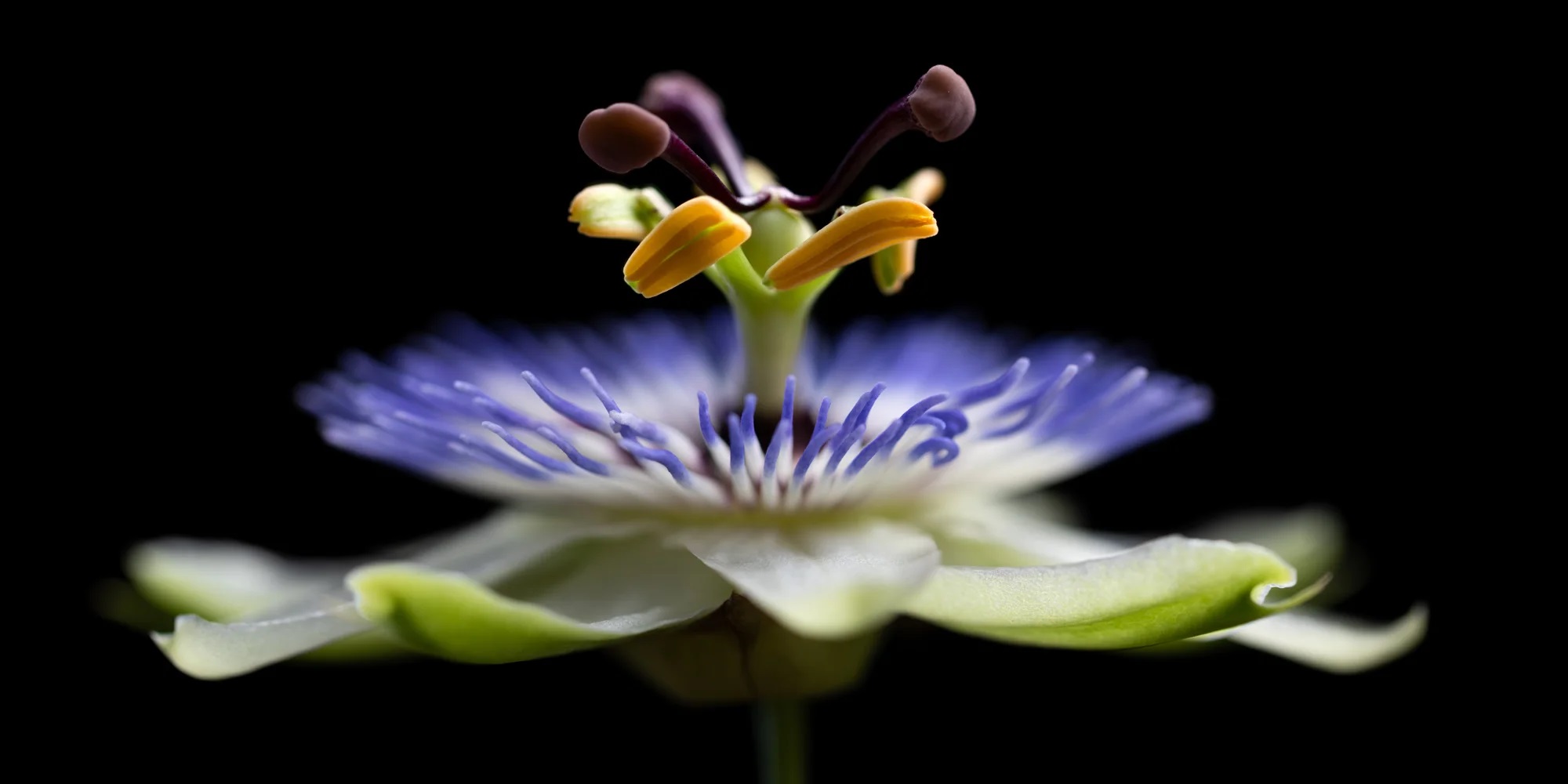
Whispers in a Crowded Room by Buck Christensen
Lauritzen Gardens 100 Bancroft Street, OmahaApril 12 through May 27, 9 a.m. to 5 p.m.open until 8 p.m. on May 6, 13, 14, 20, 21, and 27 On the gallery walls in the visitor and […]
$15
— dedicated to promoting the growth and appreciation of the arts in the Omaha community.
April 12 through May 27, 9 a.m. to 5 p.m.open until 8 p.m. on May 6, 13, 14, 20, 21, and 27 On the gallery walls in the visitor and […]
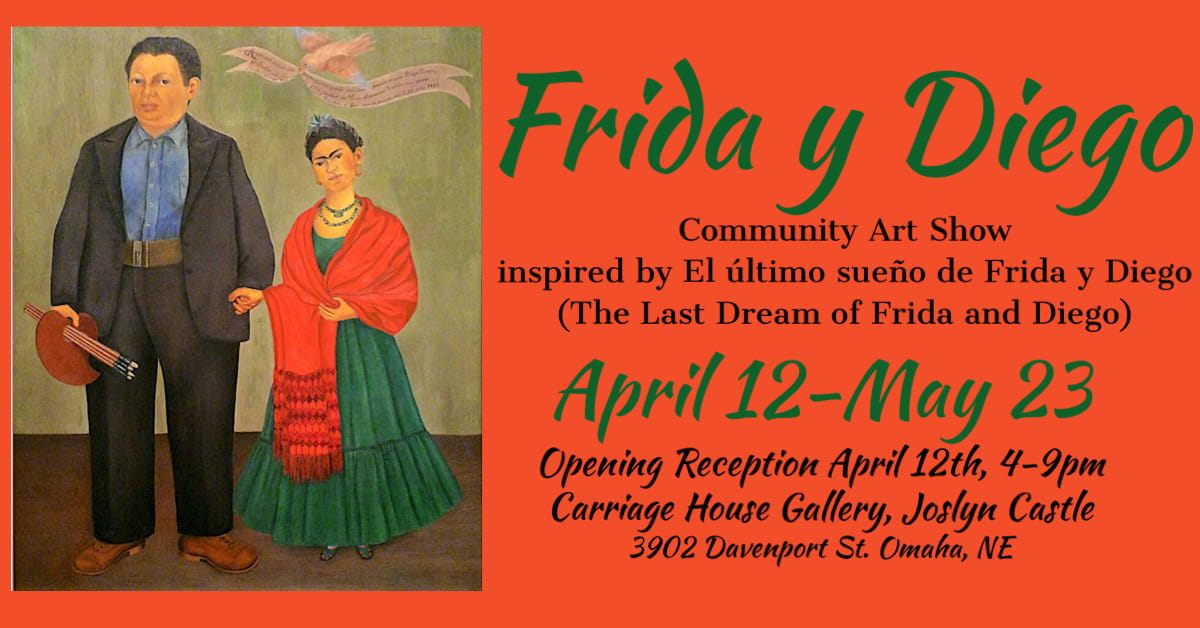
Fascinating collaboration of opera and local artists culminating in an exhibition at the Joslyn Castle Carriage House Gallery.
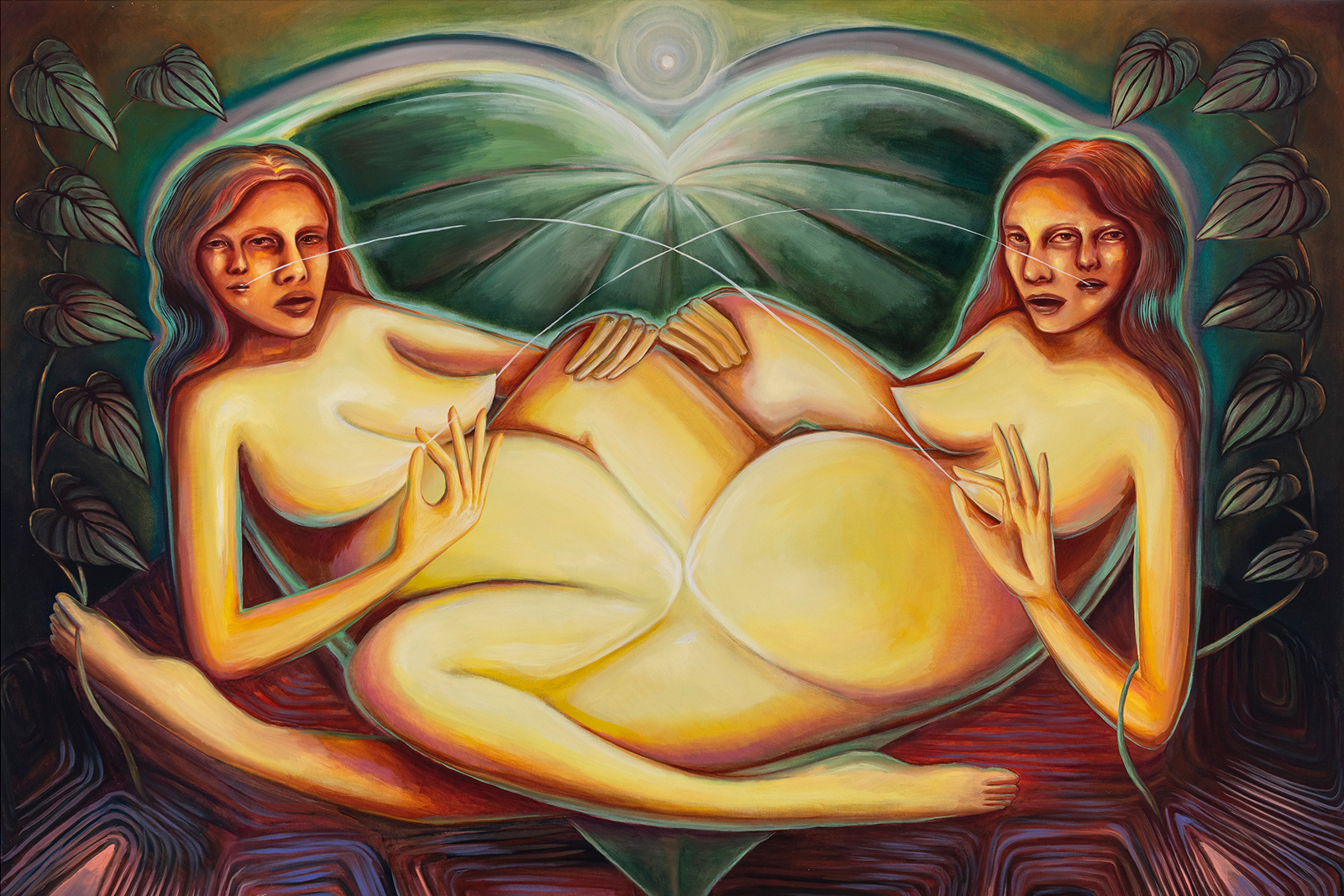
Two volcanoes grow together, two rivers lay side by side is an investigation into the queering of Mexican and Irish folklore and rituals,
Fascinating collaboration of opera and local artists culminating in an exhibition at the Joslyn Castle Carriage House Gallery.
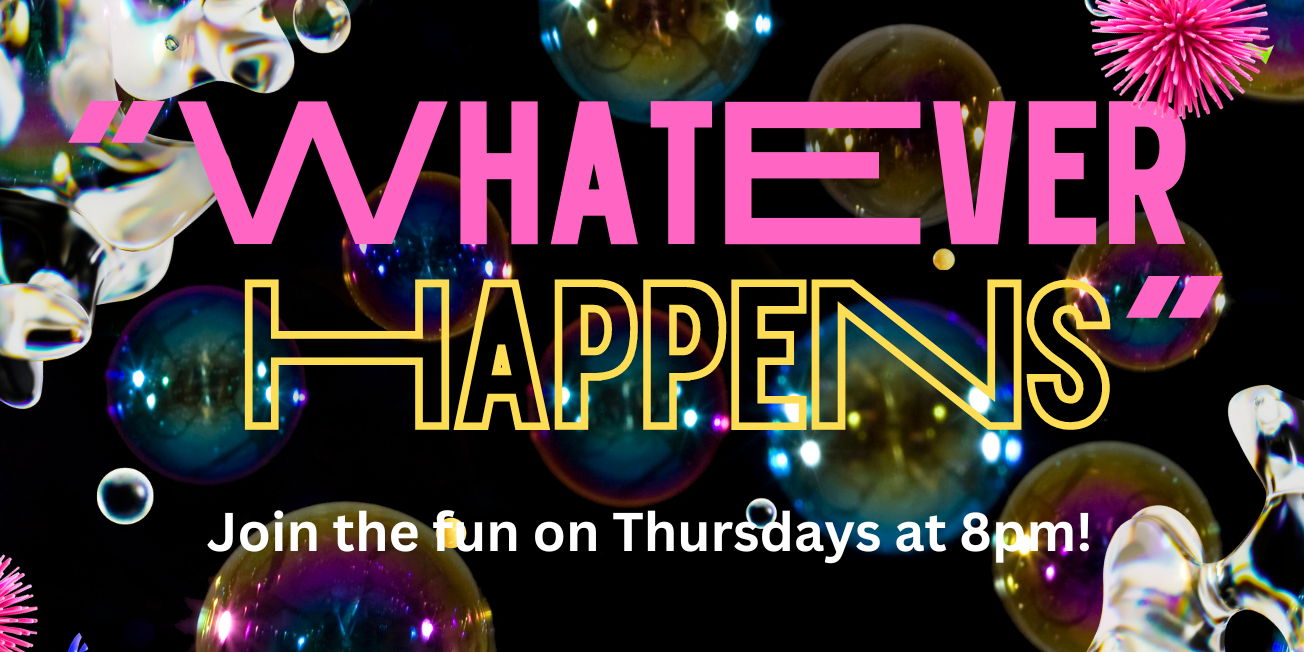
A mad bit of free-form improv, music, random half-truths and....well... WHATEVER HAPPENS!
A mad bit of free-form improv, music, random half-truths and....well... WHATEVER HAPPENS!
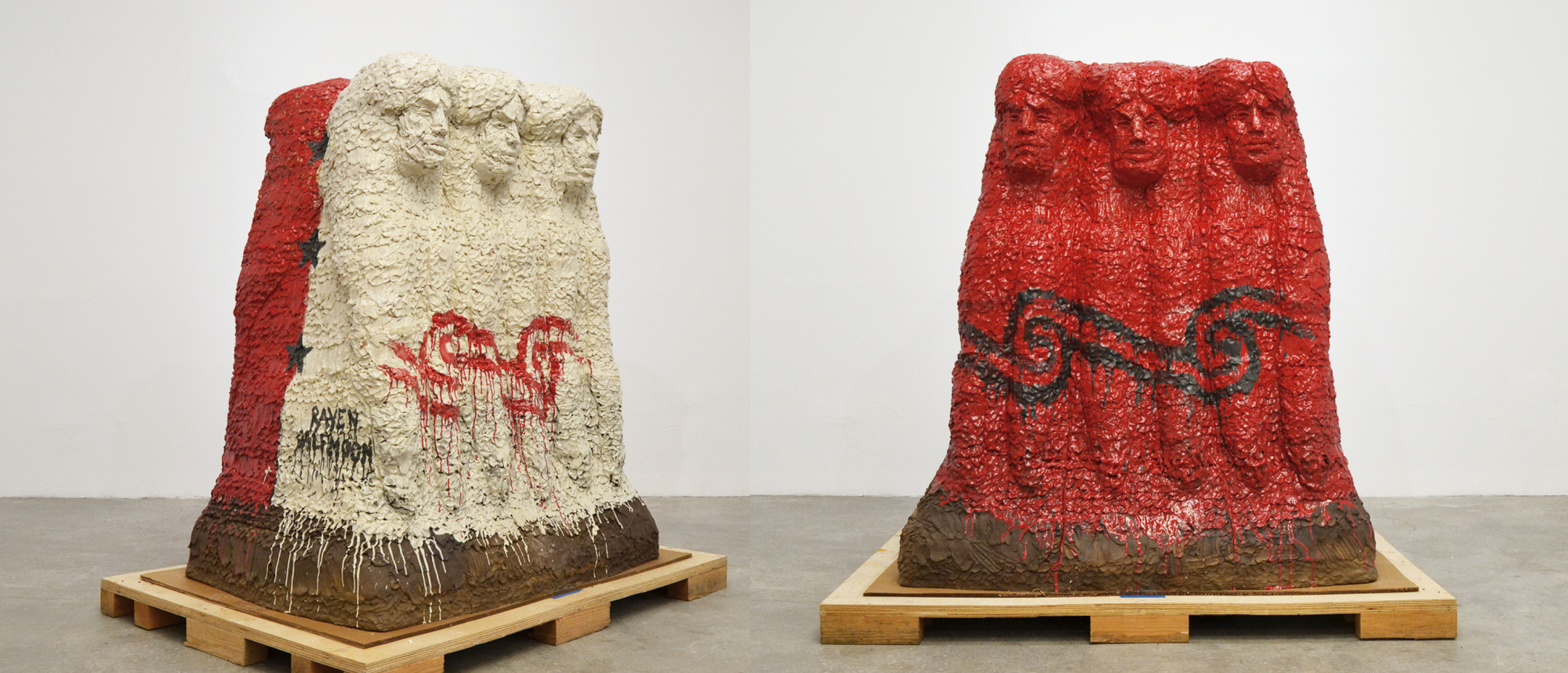
With inspirations that orbit centuries from ancient Indigenous pottery to Moai statues to Land Art, Halfmoon interrogates the intersection of tradition, history, gender, and personal experience.
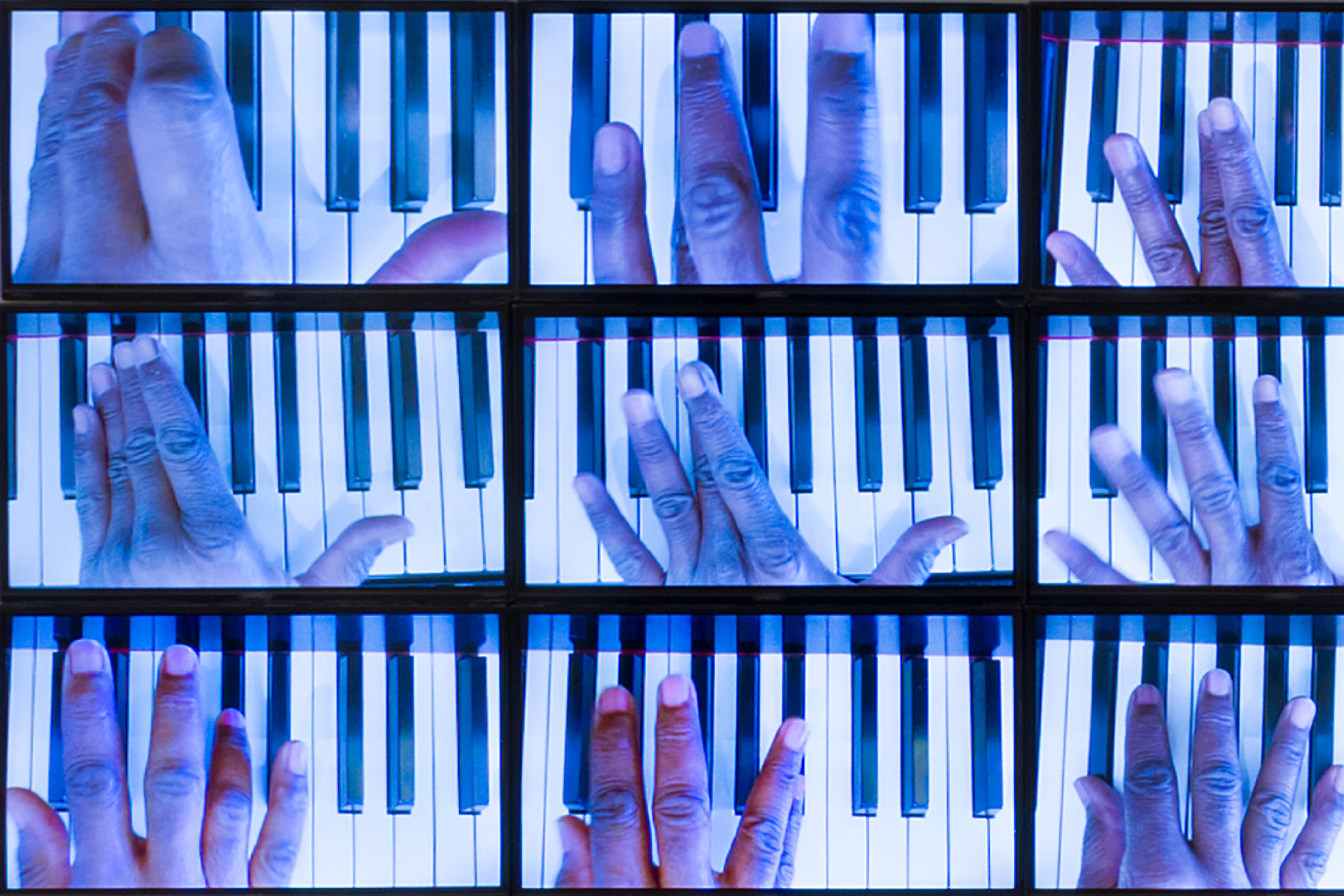
From wordplay with the actual letters that comprise “BLACK,” to utilizing the expanse of shades of black house paint—including as Nightfall, Soot, Ebony Field, and Black Beauty—to posing the question, “If the color black had a sound, what would it be?,” Benjamin calls attention to the color’s deep historical and social resonance.
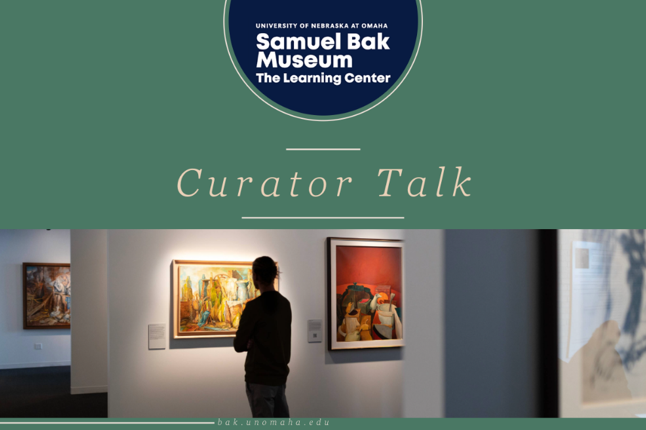
Curator Talks begin with a performance by a UNO flute student at 5:30 P.M. and are followed by a lecture by SBMLC Chief Curator Alexandra Cardon at 6:00 P.M. This […]
A fundraiser to reinstate the RAW DAWGS Youth Corps Gang Prevent Program with Compassion in Action.
Compassion in Action Inc works in gails and prisons to help people who are incarcerated, including youth. After seeing some staggering statistics in recent years, they’ve decided to bring back a program focused on prevention.
A mad bit of free-form improv, music, random half-truths and....well... WHATEVER HAPPENS!
With inspirations that orbit centuries from ancient Indigenous pottery to Moai statues to Land Art, Halfmoon interrogates the intersection of tradition, history, gender, and personal experience.
From wordplay with the actual letters that comprise “BLACK,” to utilizing the expanse of shades of black house paint—including as Nightfall, Soot, Ebony Field, and Black Beauty—to posing the question, “If the color black had a sound, what would it be?,” Benjamin calls attention to the color’s deep historical and social resonance.
With inspirations that orbit centuries from ancient Indigenous pottery to Moai statues to Land Art, Halfmoon interrogates the intersection of tradition, history, gender, and personal experience.
From wordplay with the actual letters that comprise “BLACK,” to utilizing the expanse of shades of black house paint—including as Nightfall, Soot, Ebony Field, and Black Beauty—to posing the question, “If the color black had a sound, what would it be?,” Benjamin calls attention to the color’s deep historical and social resonance.
With inspirations that orbit centuries from ancient Indigenous pottery to Moai statues to Land Art, Halfmoon interrogates the intersection of tradition, history, gender, and personal experience.
From wordplay with the actual letters that comprise “BLACK,” to utilizing the expanse of shades of black house paint—including as Nightfall, Soot, Ebony Field, and Black Beauty—to posing the question, “If the color black had a sound, what would it be?,” Benjamin calls attention to the color’s deep historical and social resonance.
With inspirations that orbit centuries from ancient Indigenous pottery to Moai statues to Land Art, Halfmoon interrogates the intersection of tradition, history, gender, and personal experience.
From wordplay with the actual letters that comprise “BLACK,” to utilizing the expanse of shades of black house paint—including as Nightfall, Soot, Ebony Field, and Black Beauty—to posing the question, “If the color black had a sound, what would it be?,” Benjamin calls attention to the color’s deep historical and social resonance.
With inspirations that orbit centuries from ancient Indigenous pottery to Moai statues to Land Art, Halfmoon interrogates the intersection of tradition, history, gender, and personal experience.
From wordplay with the actual letters that comprise “BLACK,” to utilizing the expanse of shades of black house paint—including as Nightfall, Soot, Ebony Field, and Black Beauty—to posing the question, “If the color black had a sound, what would it be?,” Benjamin calls attention to the color’s deep historical and social resonance.
With inspirations that orbit centuries from ancient Indigenous pottery to Moai statues to Land Art, Halfmoon interrogates the intersection of tradition, history, gender, and personal experience.
From wordplay with the actual letters that comprise “BLACK,” to utilizing the expanse of shades of black house paint—including as Nightfall, Soot, Ebony Field, and Black Beauty—to posing the question, “If the color black had a sound, what would it be?,” Benjamin calls attention to the color’s deep historical and social resonance.
With inspirations that orbit centuries from ancient Indigenous pottery to Moai statues to Land Art, Halfmoon interrogates the intersection of tradition, history, gender, and personal experience.
From wordplay with the actual letters that comprise “BLACK,” to utilizing the expanse of shades of black house paint—including as Nightfall, Soot, Ebony Field, and Black Beauty—to posing the question, “If the color black had a sound, what would it be?,” Benjamin calls attention to the color’s deep historical and social resonance.
With inspirations that orbit centuries from ancient Indigenous pottery to Moai statues to Land Art, Halfmoon interrogates the intersection of tradition, history, gender, and personal experience.
From wordplay with the actual letters that comprise “BLACK,” to utilizing the expanse of shades of black house paint—including as Nightfall, Soot, Ebony Field, and Black Beauty—to posing the question, “If the color black had a sound, what would it be?,” Benjamin calls attention to the color’s deep historical and social resonance.
With inspirations that orbit centuries from ancient Indigenous pottery to Moai statues to Land Art, Halfmoon interrogates the intersection of tradition, history, gender, and personal experience.
From wordplay with the actual letters that comprise “BLACK,” to utilizing the expanse of shades of black house paint—including as Nightfall, Soot, Ebony Field, and Black Beauty—to posing the question, “If the color black had a sound, what would it be?,” Benjamin calls attention to the color’s deep historical and social resonance.
With inspirations that orbit centuries from ancient Indigenous pottery to Moai statues to Land Art, Halfmoon interrogates the intersection of tradition, history, gender, and personal experience.
From wordplay with the actual letters that comprise “BLACK,” to utilizing the expanse of shades of black house paint—including as Nightfall, Soot, Ebony Field, and Black Beauty—to posing the question, “If the color black had a sound, what would it be?,” Benjamin calls attention to the color’s deep historical and social resonance.
With inspirations that orbit centuries from ancient Indigenous pottery to Moai statues to Land Art, Halfmoon interrogates the intersection of tradition, history, gender, and personal experience.
From wordplay with the actual letters that comprise “BLACK,” to utilizing the expanse of shades of black house paint—including as Nightfall, Soot, Ebony Field, and Black Beauty—to posing the question, “If the color black had a sound, what would it be?,” Benjamin calls attention to the color’s deep historical and social resonance.
With inspirations that orbit centuries from ancient Indigenous pottery to Moai statues to Land Art, Halfmoon interrogates the intersection of tradition, history, gender, and personal experience.
From wordplay with the actual letters that comprise “BLACK,” to utilizing the expanse of shades of black house paint—including as Nightfall, Soot, Ebony Field, and Black Beauty—to posing the question, “If the color black had a sound, what would it be?,” Benjamin calls attention to the color’s deep historical and social resonance.
With inspirations that orbit centuries from ancient Indigenous pottery to Moai statues to Land Art, Halfmoon interrogates the intersection of tradition, history, gender, and personal experience.
From wordplay with the actual letters that comprise “BLACK,” to utilizing the expanse of shades of black house paint—including as Nightfall, Soot, Ebony Field, and Black Beauty—to posing the question, “If the color black had a sound, what would it be?,” Benjamin calls attention to the color’s deep historical and social resonance.
With inspirations that orbit centuries from ancient Indigenous pottery to Moai statues to Land Art, Halfmoon interrogates the intersection of tradition, history, gender, and personal experience.
From wordplay with the actual letters that comprise “BLACK,” to utilizing the expanse of shades of black house paint—including as Nightfall, Soot, Ebony Field, and Black Beauty—to posing the question, “If the color black had a sound, what would it be?,” Benjamin calls attention to the color’s deep historical and social resonance.
With inspirations that orbit centuries from ancient Indigenous pottery to Moai statues to Land Art, Halfmoon interrogates the intersection of tradition, history, gender, and personal experience.
From wordplay with the actual letters that comprise “BLACK,” to utilizing the expanse of shades of black house paint—including as Nightfall, Soot, Ebony Field, and Black Beauty—to posing the question, “If the color black had a sound, what would it be?,” Benjamin calls attention to the color’s deep historical and social resonance.
With inspirations that orbit centuries from ancient Indigenous pottery to Moai statues to Land Art, Halfmoon interrogates the intersection of tradition, history, gender, and personal experience.
From wordplay with the actual letters that comprise “BLACK,” to utilizing the expanse of shades of black house paint—including as Nightfall, Soot, Ebony Field, and Black Beauty—to posing the question, “If the color black had a sound, what would it be?,” Benjamin calls attention to the color’s deep historical and social resonance.